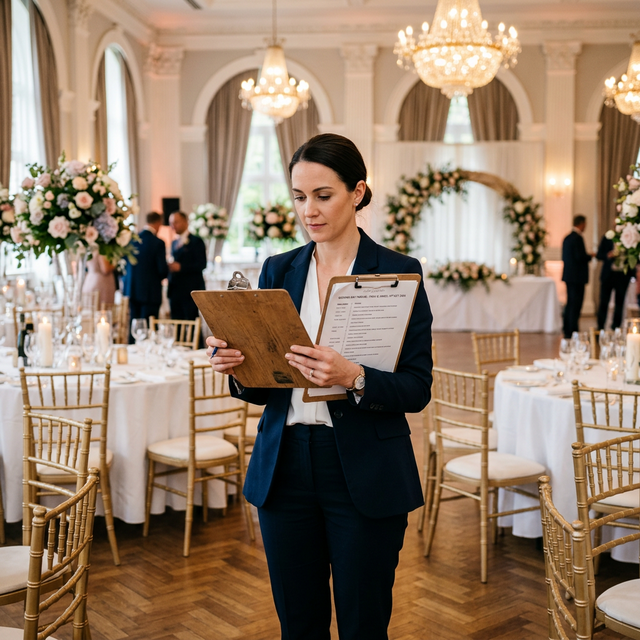
 📋 Event Planning
The Ultimate Event Planning Checklist: 10 Expert Tips for a Flawless Event in 2026

Quick Answers: Event Planning Checklist
What should be on your event planning checklist for 2026?
Essential items include venue booking, vendor contracts, guest list management, timeline creation, and photo collection setup. Using QR code photo sharing eliminates the hassle of collecting guest photos after the event.
How do you collect event photos from attendees?
Place QR codes around the venue. Guests scan with their phone camera and upload photos to your Google Drive through their browser. No app download required. Works for weddings, corporate events, and private parties.
Planning an event in 2026 is no small feat. Whether you are organizing a massive corporate gala, an intimate wedding, or a grand birthday celebration, the logistics involved are immense and complex. It's an intricate dance of managing budgets, coordinating vendors, communicating with guests, and ensuring that every tiny detail aligns perfectly on the big day. Even seasoned professionals occasionally find themselves overwhelmed by the sheer volume of moving parts.
However, the difference between a stressful ordeal and a flawlessly executed event lies almost entirely in preparation. A comprehensive, well-structured checklist is your best defense against chaos. It serves as your roadmap, ensuring that you don't miss crucial deadlines or overlook subtle but important details. In this guide, we dive deep into the ultimate event planning checklist, revealing ten expert tips that will help you orchestrate a flawless event. From defining your initial objectives to seamlessly collecting every guest photo using tools like EventSnap, we've got you covered.
1. Define Your Objectives and Budget First
Before you even begin looking at venues or tasting menus, you must establish the foundational framework of your event: the objectives and the budget. Why are you hosting this event? Is it to celebrate a milestone, launch a new product, or bring family members together? Understanding the core purpose will heavily influence every subsequent decision you make, from the catering style to the entertainment choices.
Equally important is a realistic and detailed budget. Money is often the primary source of stress in event planning, largely due to unexpected expenses. Create a comprehensive spreadsheet that itemizes every conceivable cost, including venue rental, food and beverage, decor, transportation, and vendor fees. Crucially, you must include a contingency fund-typically 15% to 20% of the total budget-to absorb the inevitable surprise costs that arise. When you have a firm grasp on your primary goals and financial constraints, you ensure that you are making strategic decisions rather than emotional ones.
2. Choose the Right Venue and Dates
The venue is arguably the most critical component of your event. It sets the tone, dictates the capacity, and often absorbs the largest portion of your budget. Start your search early, especially in 2026, as prime locations book up months or even years in advance. When evaluating potential venues, look beyond the aesthetics. Consider the practical elements: Is it easily accessible for all guests? Is there ample parking or public transportation nearby? Does it have the necessary infrastructure, such as sufficient power outlets for your band or AV team?
Selecting the date is a delicate balancing act. You need to ensure the availability of your key stakeholders and VIP guests while avoiding major holidays, local festivals, or massive industry conferences that could conflict with your event. Always have a few backup dates in mind when you begin touring venues. Flexibility during this initial phase can save you from significant headaches later on.
3. Build a Realistic and Detailed Timeline
A timeline is the beating heart of your event planning process. You need two distinct timelines: one for the months and weeks leading up to the event, and another highly detailed, minute-by-minute itinerary for the day itself. Work backward from your event date. When do invitations need to go out? When are the final headcounts due to the caterer? When must deposits be paid?
Your day-of timeline (often called a run of show or "ROS") should track everything from the moment the first vendor arrives for setup to the second the last piece of decor is packed away. Share this document with everyone involved-your team, the venue coordinator, and all vendors. A shared understanding of the schedule prevents bottlenecks, ensures that everyone knows their responsibilities, and minimizes the risk of chaotic transitions during the event.
4. Assemble Your Core Vendor Team Early
The success of your event heavily relies on the quality and reliability of your vendors. Your caterer, photographer, florist, and entertainment providers are essentially your partners for the day. Do not wait to secure top-tier talent. In 2026, the best professionals in the industry are incredibly busy, and their calendars fill up remarkably fast.
When selecting your vendors, prioritize clear communication and a proven track record over finding the cheapest option. Read reviews, ask for references, and carefully review their contracts. Ensure that you have absolute clarity on what is included in their fees and what happens in the event of unforeseen circumstances like cancellations or delays. Building a trustworthy, capable team allows you to delegate responsibilities with confidence.
5. Streamline Guest Communication and RSVPs
Gone are the days when managing RSVPs involved an endless stack of paper cards and manual spreadsheet entry. In modern event planning, streamlining guest communication is crucial. Utilize a centralized digital platform to manage invitations, track RSVPs, and collect important information like dietary restrictions, plus-ones, and song requests.
Clear, consistent communication sets expectations and excites your attendees. Send reminder emails as the event approaches, providing them with essential logistical details such as parking instructions, dress codes, and COVID-19 or health protocols if applicable. When guests feel well-informed, they arrive relaxed and ready to enjoy themselves, dramatically improving the overall atmosphere of the gathering.
6. Plan the Event Design and Atmosphere
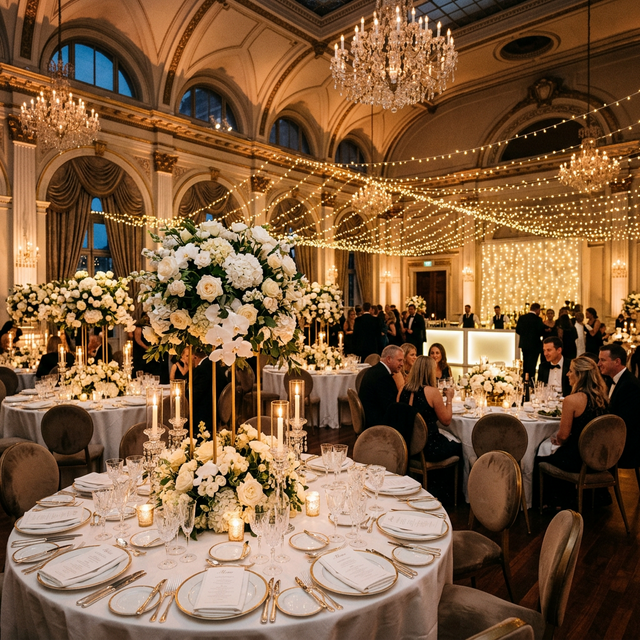
The design and atmosphere of your event transform an ordinary space into an immersive experience. This encompasses everything from the floral centerpieces to the lighting, music, and the overall color palette. Start by creating a cohesive mood board that visually represents your vision. This tool will be invaluable when communicating your ideas to florists, lighting technicians, and decorators.
Do not underestimate the power of lighting. Proper lighting can completely alter the mood of a room, highlighting architectural features and making floral arrangements pop. Similarly, the auditory experience is critical; the background music during dinner should be distinct from the high-energy tracks played when the dance floor opens. Ensuring that these sensory elements work in harmony guarantees a memorable experience for your attendees.
7. Solve the Photo Sharing Problem with EventSnap
One of the most persistent challenges at any modern event is collecting the hundreds or even thousands of candid photos and videos taken by guests on their smartphones. You hire a professional photographer for the posed shots, but the raw, authentic moments captured by your friends, family, or colleagues are often lost in chaotic group chats or compressed into low-quality social media posts.
In 2026, the expert solution is to eliminate friction entirely. Do not force your guests to download a new, clunky app, create an account, and remember a password just to share a photo. Instead, utilize a modern, app-free platform like EventSnap. By placing elegant QR codes on tables or near the entrance, guests simply scan the code with their smartphone camera. They are instantly taken to a beautiful, browser-based upload page where they can submit their high-resolution photos and videos.
The best part? Unlike platforms that hold your memories hostage on their servers, EventSnap routes every single file directly into your own personal Google Drive folder. You maintain permanent ownership, zero compression, and complete privacy. It’s a completely frictionless experience for the guests, and it guarantees that you never lose a single memory.
8. Develop a Solid Day-Of Execution Plan
When the event day arrives, your role must shift from a planner to an executive director. You cannot be the person tying ribbons on chairs or chasing the caterer down the hallway. Your day-of execution plan must clearly delegate responsibilities. If you do not have the budget for a professional day-of coordinator, assign specific tasks to trusted friends, family members, or colleagues.
Create a physical binder or a shared digital folder that contains every contract, the run of show, vendor contact information, and seating charts. Have a designated point person who is the sole contact for vendors if they need immediate assistance. This ensures that you, the host, can actually step back, breathe, and enjoy the event you spent months meticulously planning.
9. Prepare an Emergency Kit
No matter how flawlessly you plan, minor emergencies will inevitably occur. A guest will spill red wine on a white dress, the best man will forget his tie, or someone will get a blister from their new shoes. A true event planning expert never arrives at a venue without a comprehensive emergency kit.
Your kit should include, but not be limited to: stain remover pens, safety pins, a mini sewing kit, double-sided fashion tape, pain relievers, band-aids, breath mints, deodorant, extra phone chargers, and a small pair of scissors. Having these items readily available turns a potential disaster into a minor, easily fixable inconvenience, keeping the stress levels low for everyone involved.
10. Post-Event Follow-Up and Evaluation
The event doesn't end when the last guest leaves the venue. Post-event follow-up is a critical component of professional planning. In the days immediately following the event, prioritize sending thank-you notes to your guests for attending, and to your vendors for their hard work. If it was a corporate event, this is the time to send out surveys to gather feedback and measure your return on investment.
Take the time to evaluate the event objectively. Did you stay within budget? What worked seamlessly, and what caused unnecessary stress? Review the photos collected in your Google Drive via EventSnap and share the gallery link with the attendees so they can relieve the memories. Conducting a thorough post-mortem analysis ensures that you learn from any mistakes and continuously improve your planning skills for the next big occasion.
Conclusion
Mastering the art of event planning in 2026 requires a blend of meticulous organization, clear communication, and leveraging modern technology. By defining your objectives, building a bulletproof timeline, and utilizing tools like EventSnap to effortlessly collect guest memories, you significantly reduce the stress typically associated with hosting. Remember that the ultimate goal is not just to survive the planning process, but to create a beautiful, immersive, and unforgettable experience that both you and your guests can thoroughly enjoy. Use this checklist as your foundational guide, adapt it to your specific needs, and watch your vision come to life flawlessly.
Never Miss a Guest Photo Again
Set up your event in 60 seconds and get 500+ photos sent straight to your Google Drive.
🎉 Create Your Free Event